


Asphalt City
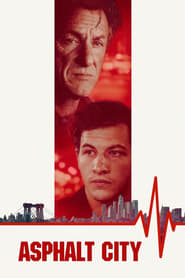
"Asphalt City" is like a chaotic ride through the gritty streets of Brooklyn, where paramedics Rut and Cross navigate a world of violence and despair. Sean Penn's character, Rut, embodies the jaded veteran who straddles the line between saving lives and succumbing to the darkness around him. On the other hand, Tye Sheridan's Cross represents youthful optimism slowly eroded by harsh realities. The film immerses us in a relentless barrage of harrowing incidents, painting a bleak picture of urban decay and societal breakdown. However, amidst its intense portrayal of EMS work, "Asphalt City" struggles to find substance beyond its shock value. Director Jean-Stéphane Sauvaire's frenetic style aims for raw authenticity but ends up feeling contrived and exploitative.
Packed with visceral scenes that aim to provoke a reaction, "Asphalt City" ultimately falls short in delivering a cohesive narrative or deeper exploration of its characters. While Penn delivers a compelling performance as the weathered paramedic grappling with personal demons, Sheridan's portrayal lacks depth underneath his idealistic facade. The film's relentless focus on brutality and despair verges on sensationalism at times, overshadowing any nuanced commentary it attempts to make about urban life.
In essence, "Asphalt City" is like taking an unsettling stroll through a grimy urban landscape where hope struggles to survive amidst chaos and violence. While it captures moments of raw intensity and showcases some solid performances from its cast, the film ultimately gets lost in its own murky atmosphere without offering much substance or meaningful insight into its characters' journeys. It's as if this movie took all the grittiness it could find in Brooklyn and threw it at viewers without much direction or purpose beyond shock value – resulting in a disorienting experience that leaves you feeling more perplexed than enlightened about life on these mean streets.